Responsible Operations
A Sustainable Future
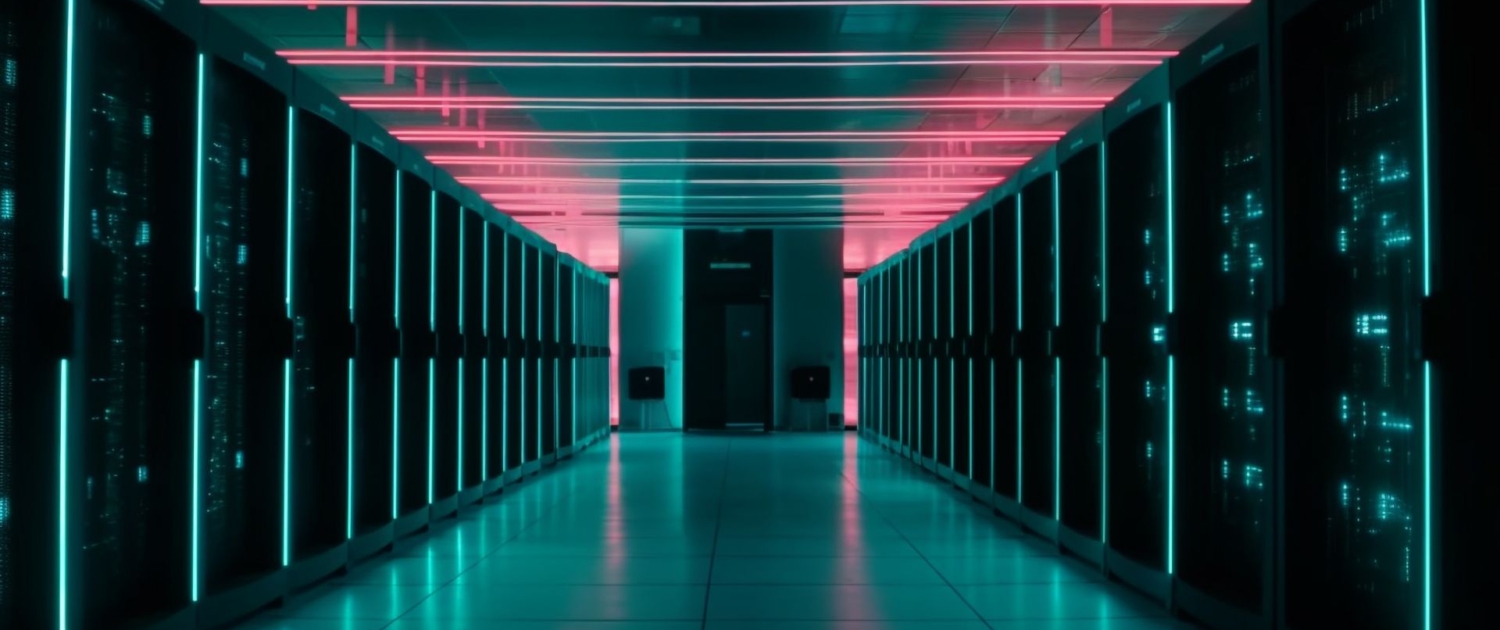
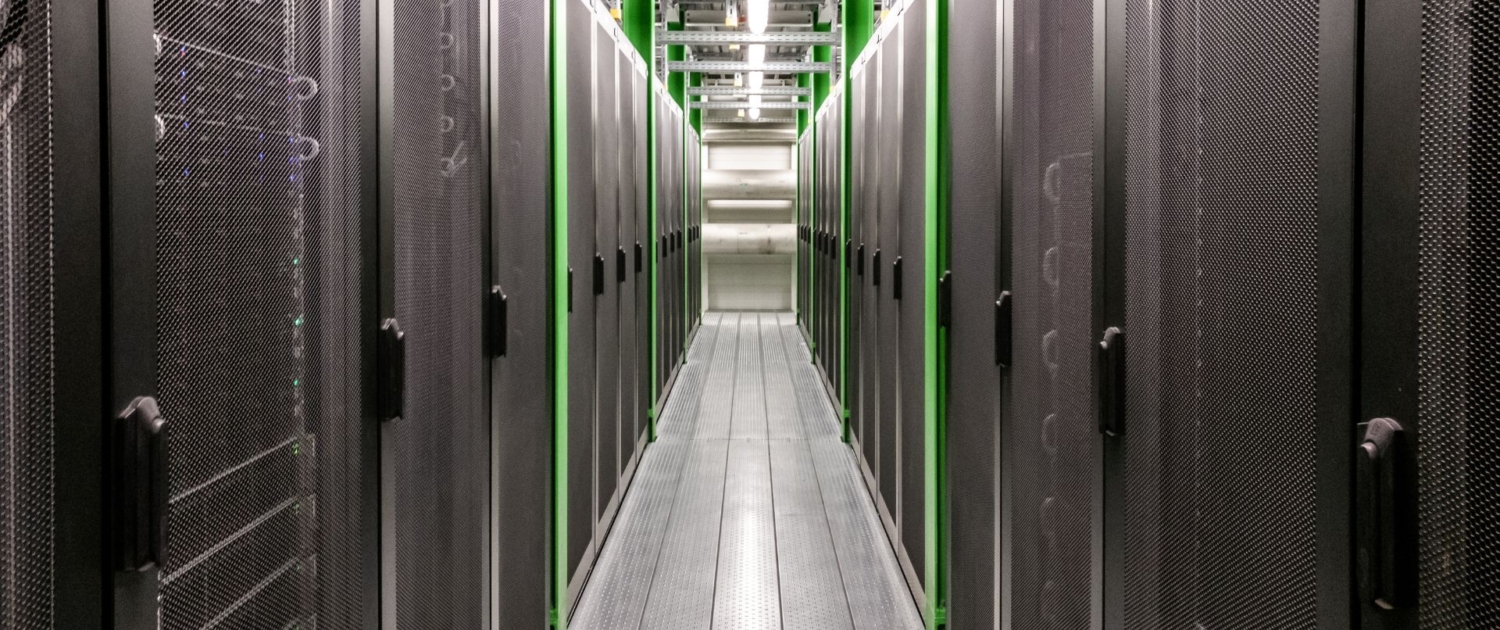
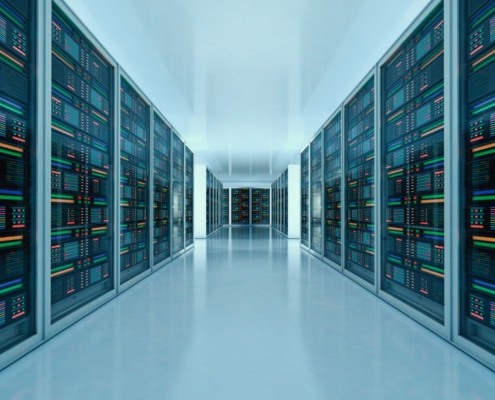
A data center is a purpose-built building or dedicated facility specifically designed to house IT equipment—servers, data storage devices, and network equipment—under secure, continuous, and controlled operating conditions. The systems running here store, process, and transmit the vast amounts of data that underpin our everyday digital lives.
Most people have never seen the inside of a data center, yet they use them dozens of times a day: when we send a message, pay at a store, watch a video, save a document to the cloud, or handle official business online. The data center is the physical home of these services.
What is the European Union doing?
In recent years, the EU has consistently tightened environmental and energy requirements for data centers. The Energy Efficiency Directive (EED), revised in 2023, established the “energy efficiency first” principle as a mandatory guiding principle and introduced specific rules for data centers. Accordingly, every data center with at least 500 kW of installed IT capacity—whether it is an enterprise, colocation, or multi-tenant facility—must submit data to a common European database by May 15 of each year. The report covers a total of 24 performance indicators, including energy consumption, PUE, water consumption, waste heat recovery, and the share of renewable energy.
As the next step in this process, the European Commission finalized the common, EU-wide sustainability rating and labeling system in 2026. Thanks to this, the performance of data centers will in the future be evaluated using standardized, comparable metrics—similar to how energy labels for buildings or household appliances work. All of this fits into a broader regulatory framework that also includes EU rules on the energy performance of buildings and corporate sustainability reporting. The long-term goal is clear: the industry is moving toward sustainability and climate neutrality, while transparency continues to improve.

How does Hungary implement all of this?
Hungary has incorporated EU regulations into its domestic energy efficiency regulations. As a result, domestic data centers with an IT capacity of at least 500 kW are also required to submit annual reports to the European database covering the previous year; failure to comply with this obligation may result in a fine. Currently, estimates suggest that roughly a dozen domestic facilities fall into this category, but this number will grow as the market expands.
Our region—Hungary, Poland, and the Czech Republic—is attracting an increasing number of data center investments due to favorable geographic conditions and relatively moderate energy prices. That said, it remains to be seen whether Hungary will introduce national-level requirements in the future that are stricter than the EU minimum: several Western European countries—such as Germany—already require reporting starting at a lower threshold of 300 kW. Creating a regulatory environment that is both predictable and incentivizing is in all of our shared interest.
What do we want to catch up with?
Markets that are leaders in sustainability—above all the Netherlands, the Nordic countries, and Germany—are currently setting an example in three areas: a high share of renewable energy, operational transparency, and the utilization of waste heat. The latter is particularly promising for Hungary: the extensive domestic district heating networks—especially those in Budapest—offer a realistic opportunity to use the heat from data centers to heat homes and public buildings, thereby reclaiming energy that currently goes largely unused.
Equally important is increasing the share of renewable energy, reducing water consumption, and promoting flexible operational practices that support the electricity grid. Our goal is for domestic data centers not only to meet growing EU requirements but also to become leaders in the region’s sustainable digital infrastructure.
The Role of the Association
The Hungarian Data Center Association helps its members meet sustainability requirements and go beyond the mandatory minimum by facilitating knowledge sharing, providing professional recommendations, and disseminating international best practices. We believe that sustainable operations are not a burden but a competitive advantage—and that a transparent, energy-efficient domestic data center ecosystem is also the foundation of Hungary’s digital and economic competitiveness.
Learn more!
Everything You Need to Know About Data Centers